Red Sea Real Estate: Seven Reasons Buyers and Investors Are Paying Attention
Explore Red Sea real estate with 7 key reasons buyers and investors are paying attention, from tourism demand and rental potential to lifestyle benefits and long-term value.
BEACHFRONT PROPERTIES IN HURGHADAHOLIDAY HOMES INVESTMENTRESORT APARTMENTSOFF-PLAN PROPERTIES HURGHADARESORT LIVING PROPERTIES
10/3/20265 min read
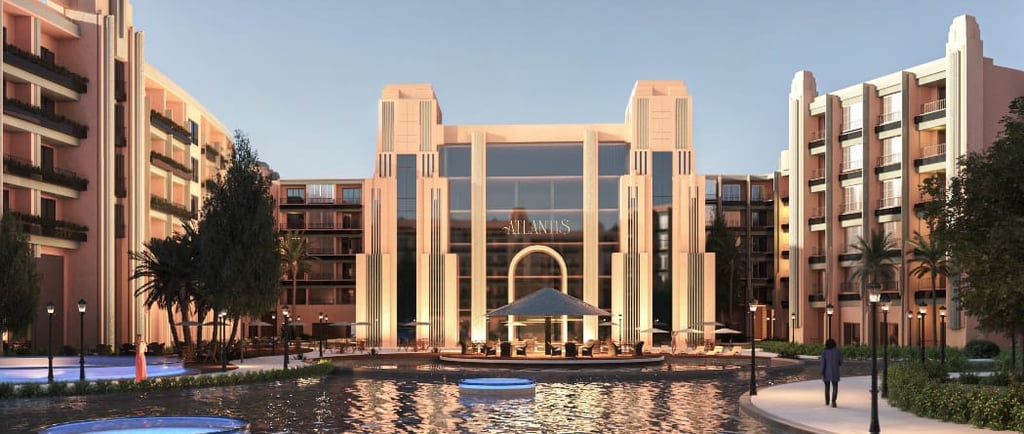
Red Sea Real Estate: Seven Reasons Buyers and Investors Are Paying Attention
The Red Sea is emerging as a property destination because it combines distinctive coastal environments with a rapidly changing tourism and infrastructure landscape. Its real estate market extends beyond established resort communities, encompassing developing tourism hubs, island destinations, waterfront districts, and locations benefiting from major transport and public-realm improvements.
This variety gives the region a broader investment profile than a single resort market. Buyers can consider completed homes near mature amenities, early-stage projects with future growth potential, or destinations designed around new hospitality, leisure, and cultural attractions.
The area appeals to two principal groups. Lifestyle buyers are drawn to the prospect of owning a seaside home close to beaches, marine activities, outdoor recreation, and a generally relaxed environment. Investors, meanwhile, may see opportunities to generate rental income from holiday accommodation or pursue long-term appreciation as visitor numbers, services, and connectivity develop.
The seven benefits examined in this article are desirable coastal living, expanding tourism, rental-income potential, capital growth, diverse property choices, infrastructure-led development, and the flexibility to combine lifestyle use with investment objectives.
Together, these factors help explain the market’s growing visibility among international and regional purchasers.
However, the Red Sea should not be treated as one uniform property market. Conditions can differ substantially by country, city, resort, island, and individual development.
Ownership regulations, taxes, financing options, delivery schedules, operating models, service charges, and resale liquidity may all influence the suitability of a purchase.
A completed apartment in an established destination presents a different risk and return profile from an off-plan villa in an emerging tourism zone. Buyers should therefore assess each opportunity individually, examining the developer, title structure, project stage, infrastructure timetable, local demand, and likely exit options before making a decision.
1. Enjoy a Distinctive Coastal Lifestyle
One of the clearest attractions of Red Sea real estate is access to a distinctive coastal lifestyle.
Warm weather for much of the year, broad beaches, clear water, and vibrant coral reefs create an environment suited to both relaxation and active recreation.
Residents and visitors can enjoy:
Diving
Snorkeling
Sailing
Fishing
Kayaking
Water sports
Marine excursions
Island and reef trips
The combination of outdoor activity and relaxed resort settings can appeal to families, retirees, remote workers, and buyers seeking a holiday home.
Flexible Lifestyle and Property Use
These lifestyle qualities can support several forms of property demand.
An owner may use a residence for personal holidays, develop a longer-term retirement plan, or combine private use with seasonal letting where regulations and management arrangements permit.
Homes near beaches, waterfront promenades, marinas, and established leisure facilities are often especially attractive because they make year-round recreation more convenient.
Well-planned communities with security, maintenance, restaurants, pools, and sports facilities may also offer a more practical ownership experience than isolated properties.
2. Benefit From Tourism Demand and Destination Growth
A second benefit is the strength and potential growth of tourism across parts of the Red Sea region.
International arrivals, domestic holidaymakers, hospitality investment, improved airports, cruise activity, and destination branding can generate recurring demand for accommodation, dining, transport, and leisure services.
This may support residential, serviced-apartment, and commercial property markets, particularly in locations with reliable visitor infrastructure and professionally managed resort operations.
Established vs Emerging Destinations
Investors should distinguish between mature destinations and emerging areas.
Established resorts generally offer proven visitor flows, recognizable amenities, and clearer operating patterns, although competition and pricing may already be higher.
Emerging destinations may provide greater growth potential as airports, hotels, marinas, and attractions expand, but they also involve more uncertainty, construction risk, and dependence on future infrastructure.
Tourism-focused properties tend to benefit most from convenient access to:
Beaches
Airports
Marinas
Restaurants
Attractions
Managed resort services
Location, accessibility, operating quality, and the durability of the destination’s appeal remain important considerations when assessing demand.
3. Explore Rental-Income Potential
Rental income is one reason buyers consider Red Sea property, but the revenue model matters.
Short-term holiday rentals can produce higher nightly rates and benefit from tourism peaks, although they require active marketing, frequent cleaning, guest support, and careful occupancy management.
Seasonal leasing offers a middle ground, providing income during periods of strong demand with fewer turnovers, but it may leave the property vacant outside the main season.
Longer-term residential arrangements generally deliver more predictable cash flow and lower management demands, though monthly returns may be lower and lease terms can reduce flexibility.
Understand the Real Rental Return
Rental performance depends on more than the advertised price.
Factors that can influence tenant demand include:
Location
Sea views
Beach or marina access
Unit size
Furnishing quality
Building amenities
Professional management
Investors should also assess realistic occupancy rates and seasonal fluctuations rather than assuming continuous bookings.
Gross rent is not the same as net return. Maintenance, utilities, taxes, insurance, platform or agency fees, cleaning, furnishing replacement, and management charges can materially reduce proceeds.
Local rental regulations and licensing requirements should be confirmed before purchase, and operating-cost assumptions should be tested against conservative scenarios.
4. Consider Long-Term Capital Growth Potential
Capital appreciation represents a second potential benefit.
Limited coastal land, population growth, expanding tourism, new roads and services, improved air connectivity, and branded developments may strengthen demand and support property values over time.
As destinations become better connected and more established, completed projects in desirable locations may attract both residents and international buyers.
This potential is not guaranteed, however.
Oversupply, delayed construction, economic cycles, currency movements, environmental restrictions, and uneven development between coastal communities can limit or postpone price growth.
Compare Current Prices With Real Market Evidence
Buyers should compare asking prices with comparable completed properties, not only launch prices or projected future values.
Evidence of actual transactions, rental demand, infrastructure delivery, and service quality can provide a more reliable basis for judgment.
A long-term investment horizon is generally more appropriate than a strategy dependent on rapid resale, particularly where a market is still developing.
Reviewing both income assumptions and appreciation risks helps investors distinguish a promising opportunity from an attractive but unsupported projection.
5. Choose From a Diverse Range of Property Types
A broad property mix is one of the Red Sea’s practical advantages for buyers with different objectives and budgets.
Apartments may offer a relatively accessible entry point and simpler maintenance, while beachfront villas and townhouses provide more space, privacy, and potential appeal for families or luxury holidaymakers.
Serviced residences and resort units can suit owners seeking professional operations, amenities, and possible rental support, although management fees and operating agreements require careful review.
Branded homes may benefit from established hospitality standards and stronger marketing, but they can carry a premium.
Off-Plan vs Ready Properties
Off-plan developments may provide staged payment plans and future-growth potential, while also involving construction, delivery, and market risks.
Ready properties can offer clearer visibility into the actual unit, building quality, amenities, and surrounding environment.
The appropriate choice depends on:
Affordability
Desired level of involvement
Risk tolerance
Lifestyle objectives
Rental-income goals
Capital-growth expectations
6. Benefit From Infrastructure-Led Development
Master-planned development can further strengthen the appeal of surrounding real estate.
New roads, airports, ports, utilities, healthcare services, retail areas, leisure attractions, and hospitality projects may improve everyday convenience and support visitor demand.
Better connectivity can make a destination more practical for residents and more accessible to tourists, potentially benefiting nearby rental and resale markets.
Verify Infrastructure Plans Before Investing
Buyers should distinguish confirmed delivery from promotional projections.
Official planning documents, permits, construction progress, published completion dates, and independent research should be examined before infrastructure is treated as an investment assumption.
An upcoming road, airport, marina, or tourism project may influence future demand, but investors should avoid treating an unconfirmed development timeline as a guaranteed source of property appreciation.
7. Combine Lifestyle Use With Investment Objectives
Ownership can also remain flexible.
An owner might combine personal holiday use with short-term rentals, retain the property as a second home or future retirement base, or hold it as one element of a diversified portfolio.
This flexibility can make Red Sea real estate relevant to buyers who do not want to separate lifestyle and investment objectives.
Complete Your Due Diligence
Before committing, buyers should verify:
Title and ownership eligibility
Developer reputation
Building permits
Construction quality
Handover terms
Service charges
Rental restrictions
Insurance
Taxes
Realistic exit options
Environmental conditions, including coastal exposure, water use, and sustainability requirements, also deserve attention.
Qualified local legal and financial professionals can clarify jurisdiction-specific obligations.
The strongest purchase is not necessarily the most attractive property, but one whose location, legal status, costs, projected demand, and intended use align with the buyer’s objectives.